Kelly Trey
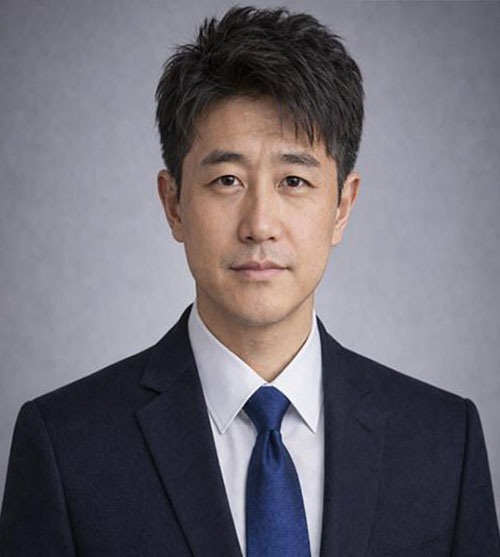
Kelly Trey
- Role: Chief Technology Officer
- Location: San Diego, CA
- Focus: Digital tools, design technology, information strategy
- Studio: Design leadership & technical innovation
Portfolio overview
Kelly Trey’s career is a story told in stages: he began as a designer in the classic sense—composition, clarity, and visual order—then deepened that craft inside engineering environments where “design” also means systems, constraints, and data. Today, as CTO, he still identifies as a designer—only the canvas is broader: workflows, software, and how teams create coordinated buildings together.
Stage one — Designer as craft
Early on, Kelly trained the eye: grids, typography, hierarchy, and the patience to iterate. he treated every sheet set and presentation as a designed object—because clarity for a client is itself a deliverable. That foundation never left her; it still informs how he critiques information architecture in BIM and internal tools.
Stage two — Designer in an engineering practice
Immersion in multidisciplinary projects pushed her from styling outcomes to sequencing work: what must be true first for structure and MEP to stay coherent with architecture. he collaborated with engineers who spoke in loads and cfm, learning to translate between “how it looks” and “how it behaves.” In that stage, design became interface design—between disciplines, not only on the page.
Stage three — From designer to designer
The second “designer” is intentional: Kelly reframed her role around systems design—standards, automation, model health, and the guardrails that let creatives and engineers work in parallel without drifting apart. he leads technology not as an IT function alone, but as design leadership for digital delivery: choosing tools, shaping templates, and mentoring teams to treat the model and the dataset as part of the client experience.
Her trajectory is not a departure from design; it is an expansion—same intent for clarity and quality, applied to the machinery that produces buildings.
Where technology meets habit
Software changes faster than culture. Kelly’s challenge is to introduce capability without chaos—so teams adopt better methods because they reduce friction, not because policy says so.
- Tool sprawl and overlapping workflows across disciplines
- Balancing customization with maintainable standards
- Keeping training relevant for both new hires and senior staff
- Protecting project data while enabling collaboration
Principles he applies
Kelly’s approach pairs empathy for how people actually work with a hard edge on standards where they matter most—interfaces between architecture, structure, and MEP.
- Design technology roadmap aligned to project types the firm pursues
- Model QA that catches coordination issues before they reach the field
- Templates and content libraries that speed production without rigidity
- Mentorship that connects junior designers to engineering counterparts early